

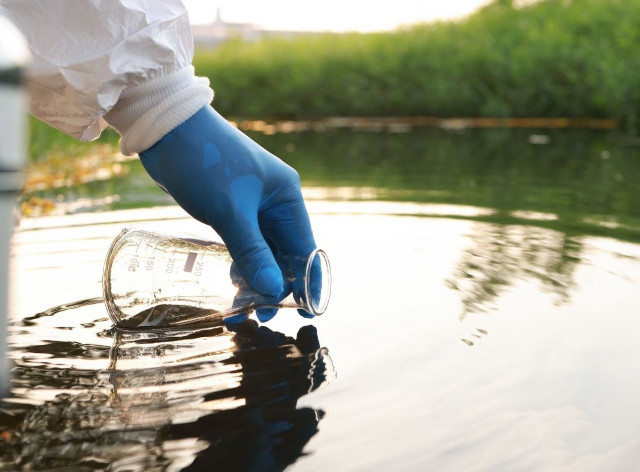
Environmental and Health Impacts
Aquatic Ecosystem Collapse: Untreated wastewater causes dead zones, kills fish, and triggers algal blooms that suffocate marine life.
Disease Transmission: Wastewater pollution causes 1.8 million annual deaths in children under five due to water-related illnesses.
Food Security Hazard: Contaminants enter the food chain through contaminated water, affecting fish and crops.
Infrastructure Failure: Catastrophic failures, such as damaged treatment plants, release massive amounts of waste, resulting in unbearable odors and coating surfaces with sludge.
Causes of Damage
Inadequate Infrastructure: Aging or insufficient infrastructure, particularly in developing countries, cannot handle the volume of waste.
Natural Disasters: Increased flooding and storms, exacerbated by climate change, overwhelm treatment plants and cause back-ups.
Industrial Pollution: Discharge of untreated chemical, agricultural, and industrial effluent introduces heavy metals and toxic substances into the environment.
Consequences and Mitigation
Economic Impact: Wastewater damage ruins tourism, causes beach closures, and destroys, fisheries.
Pollution Persistence: Even after a spill is stopped, harmful impacts on aquatic ecosystems can last for weeks, with nutrients like nitrates and phosphorus significantly reducing water quality.
Urgent Needs: Effective remediation requires immediate investment in wastewater treatment infrastructure, stricter environmental regulations, and improved monitoring.
Source:ScienceDirect