

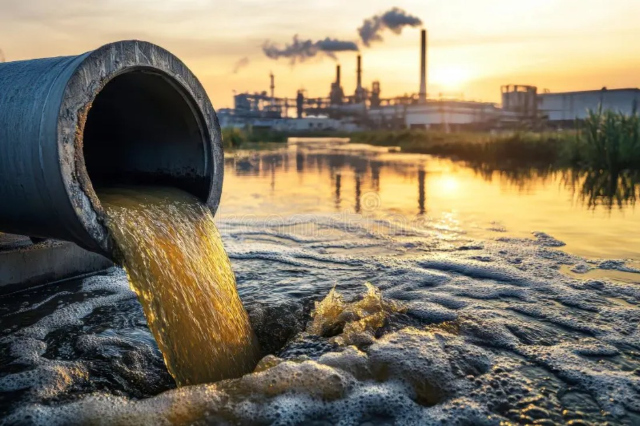
The world’s oceans are in trouble. They’re under siege from untreated industrial wastewater, and marine ecosystems are paying the price.
This wastewater often carries excessive loads of nitrogen (N) and phosphorus (P), key culprits behind a harmful process called eutrophication. This phenomenon is so pervasive that even the Baltic Sea and the Gulf of Mexico, one of our planet’s most iconic bodies of water, is at risk.
Eutrophication in Marine Ecosystems
Eutrophication occurs when too many nutrients enter an aquatic system like an ocean or sea. These extra nutrients fuel explosive growth among certain types of algae—a bloom if you will—that sucks up all available oxygen as they decompose.
This rapid depletion leaves other marine life gasping for breath—literally. The result? A severe decline in biodiversity, which can cause ripple effects throughout the entire ecosystem.
Recent studies have shown that nutrient enrichment caused by untreated industrial wastewater discharge contributes significantly to this damaging cycle.
But that’s not all.
Not only does eutrophication affect underwater life but also affects those who rely on these ecosystems for food or income—the fishing industry being a prime example.
Now you may ask – what about us humans? Well my friend; let me tell you, we can escape the effects of eutrophication either.
Exposure to waters contaminated with these excess nutrients can lead to health issues such as skin rashes and stomach problems—not exactly what anyone wants after a refreshing dip in the ocean.
Let’s take a step back here though because there is hope yet.
we believe strongly in using sustainable methods for managing industrial wastewater. By treating this waste before it’s discharged, we can significantly reduce nutrient enrichment and protect our marine ecosystems.
So here is to less algal blooms and more vibrant, thriving seas and oceans.
Source: genesiswatertech.com